
hetki
the grand, honest, all three mics open
The default, and the one everything else starts from. All three mics open, no felt, nothing added. Start here.
One piano, recorded whole. VST3 · AU · Standalone. 28 September 2026.
Have a look Join the waiting listWhat it is
A single grand piano, recorded in one room in London with three stereo microphone pairs: one close to the strings, one above the player, and one further back in the room.
The key going down. The hammer. The dampers lifting off the strings and landing again. Breath, clothing, the creak of the bench. All of it sits on faders, so you can turn any of it down, or off, if it gets in the way of the take.
A moment is a preset. The names are Finnish, and under each one is a line on how it is made: which microphones are used, whether the felt is on, how much tape. Four are the piano itself, played and recorded in different ways. The other six start from the piano and go further: half speed on tape, quarter speed on an old record, a felt piano with rain notes or an icy shimmer, a hazy pad played from the keys, and a slow blend of tremolo, synth, guitars and rhodes.
The momentsThe piano
“hetki” is the Finnish word for a moment: the small, ordinary kind.
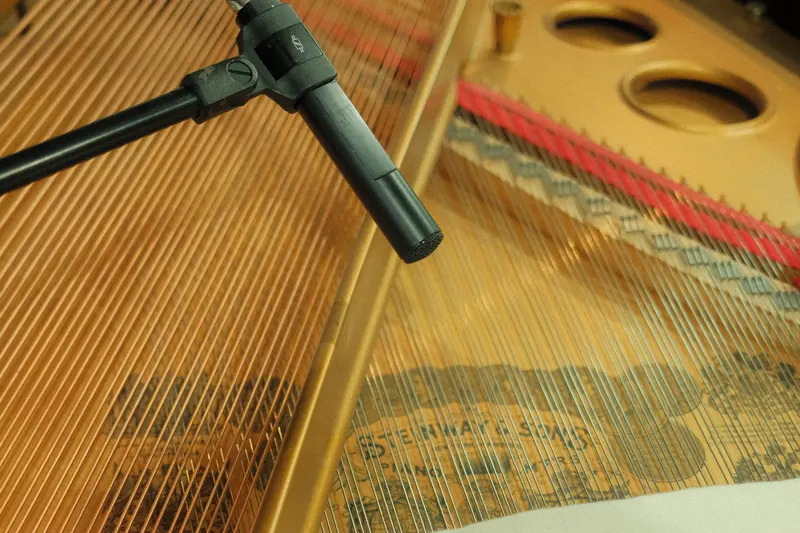
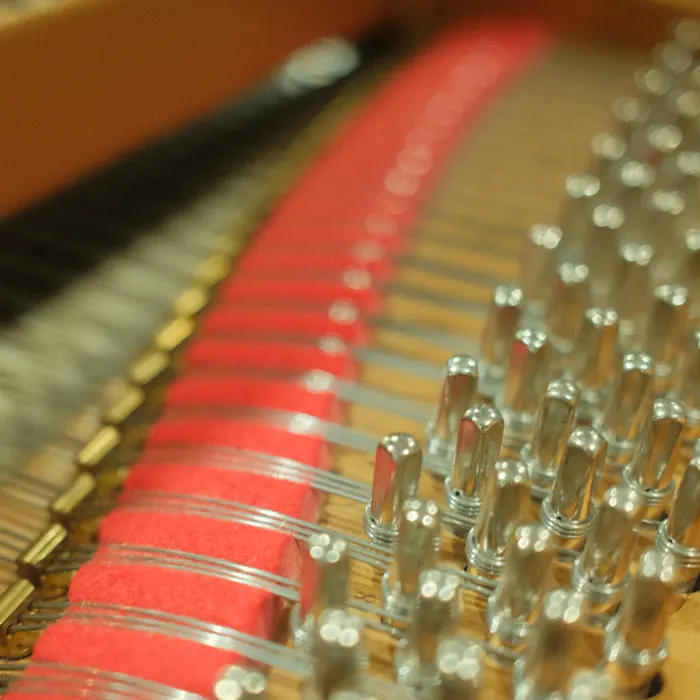
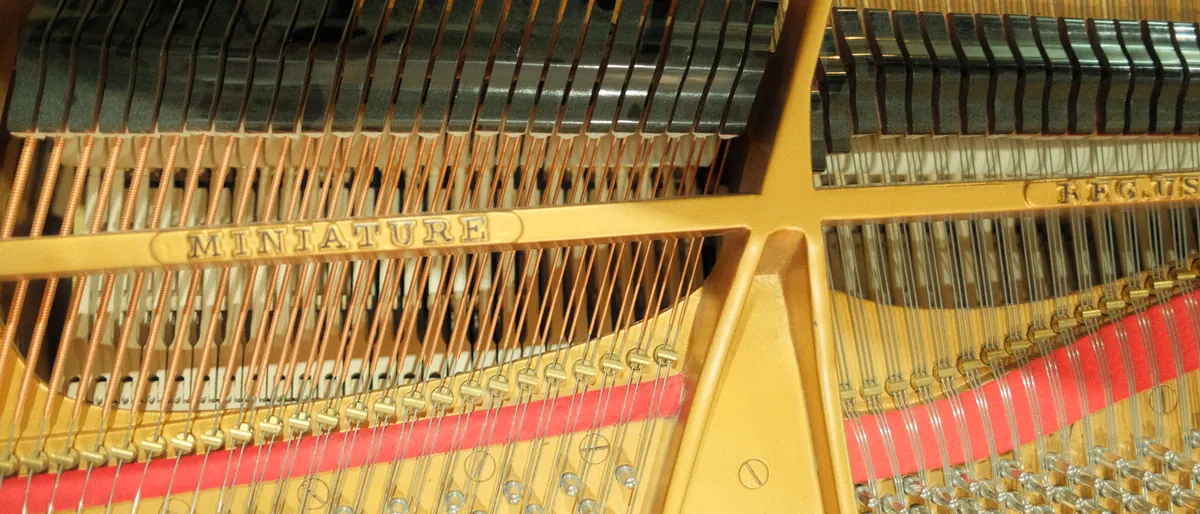
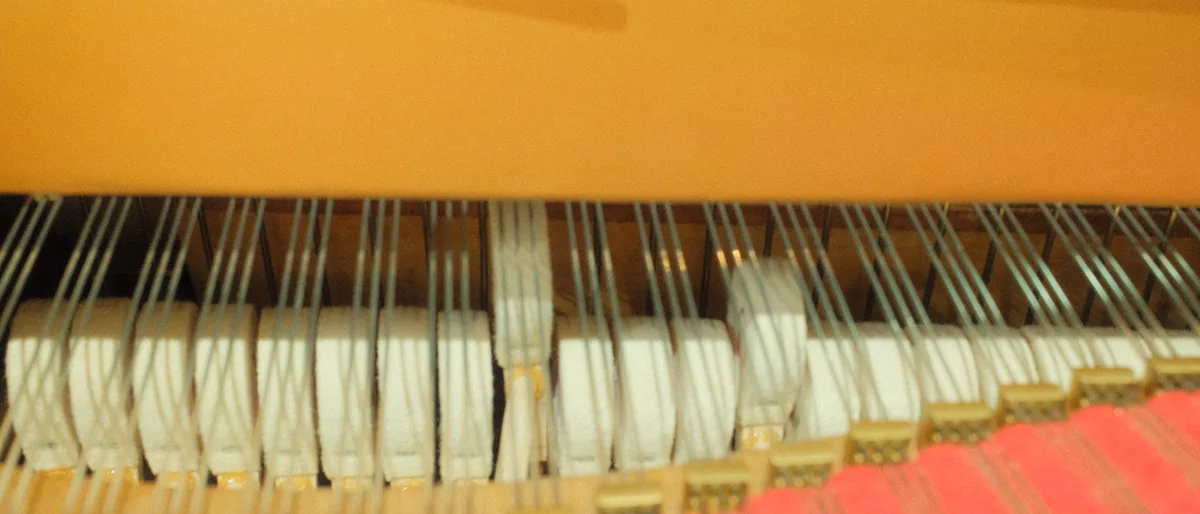
The piano is a 1908 Steinway Model O at Greystoke Studio in London. It has been played for over a century, and that shows in the sound: a warmth and a slight unevenness that a new instrument does not have.
Recordings like this usually get cleaned up.
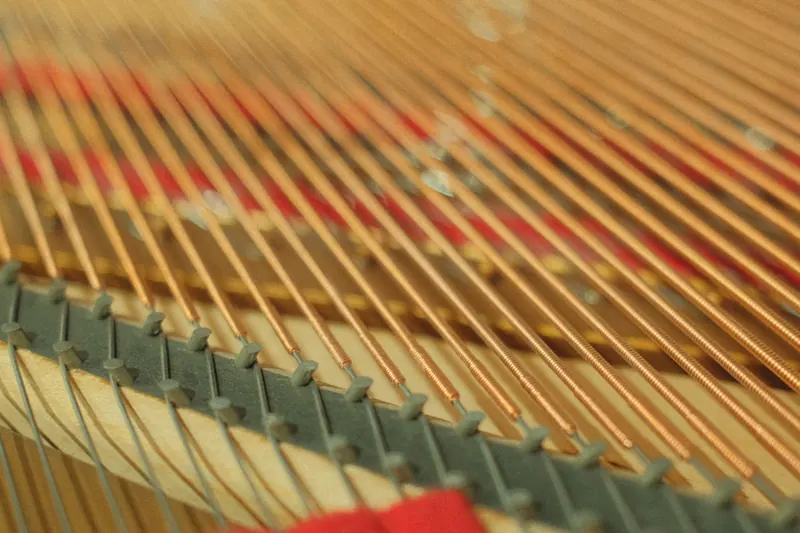
The key mechanism, the hammers, the dampers, the pedal, the sound of the player at the bench: all of it is normally edited out. hetki keeps every one of those sounds, each on its own fader, because they are what make the piano sound like it is in the room with you.
Many of the moments come from the way I play at home, late in the evening: felt over the strings, the soft pedal down, the lid closed, a little tape wear. Quiet, close, and warm.
The face
Press a mark to see what it does.

The face Hand-drawn, in ink, on warm near-black paper. Nothing in it is a stock knob.
The piano alone
The first four are just the instrument: felt, pedals, lid and three mics, in four arrangements. Nothing added on top.
the grand, honest, all three mics open
The default, and the one everything else starts from. All three mics open, no felt, nothing added. Start here.
felt on, close mic, played at a whisper
Felt on and the close mic in front, with the overheads and the room pulled far back so the room only just breathes. Played at a whisper, so expect to turn your monitors up.
lid open, bright overheads forward
The lid up, the tone at its brightest, the overheads fully open and the close mic pushed forward. The clearest of the four, and the one to reach for in a busy mix.
felt + una corda, for after midnight
Felt and the soft pedal together, so the hammer shifts and strikes fewer strings. The softest voice the instrument has. The pianist's own movement noises are up too, so it feels like you are the one sitting at the piano.
hetket
The other six start from the same piano and take it somewhere else: onto tape, onto an old record, under rain and shimmer, into a pad, and in one case into a blend with other instruments.
the piano at half speed on tape, deep and warm
The piano slowed to half speed, with tape saturation and wow in it: an octave down and twice as long. Deep and warm, with nothing added on top.
the piano at quarter speed on a crackling old record
The piano at quarter speed, two octaves down, pressed onto an old record: crackle, wear, and a narrow, worn image. The most damaged of the ten, on purpose.
a hazy ambient pad played from the keys, piano muted
The piano is switched out and the keys play a slow, hazy pad instead. Open the mics and the piano comes back into the mist. For underscore, where the keys are not the subject.
felt piano, soft random notes fall around you like rain
A felt piano, close and dry, with soft random notes falling around what you play. Sparse, and not quite in time with you. Leave a gap and something will land in it.
felt piano with una corda, icy notes and a shimmer pad
Felt and una corda together, so the notes come out thin and cold, with a shimmer pad underneath and a slow drift of high notes falling through. Very little at the bottom.
a slow blend of piano tremolo, synth, guitars and rhodes
The one that is not only the piano. The keys play a slow blend of piano tremolo, a synth pad, guitars and a Rhodes, layered into a single texture that swells as you hold a chord. The piano mics are silent here.
€24.99.
Join the waiting list and you will hear from me on release day. After that, only when there is an update to hetki or a new instrument. Nothing else is sent, and you can unsubscribe at any time.
€24.99 including VAT, shown in your own currency at checkout on release day. The previews above are hetki, played as it ships.
A 1908 grand, recorded in London, June 2026. Three simultaneous stereo pairs: close, overhead, room. 96 kHz, 24-bit.
About 5,100 recorded samples. With the tape, vinyl and texture banks, 5,569 files. Six velocity layers.
Up to three round robins.
All of these are recordings, not modelled clicks: the key mechanism, the key going down and coming back up; the sustain pedal's dampers, lifting and landing, in two takes each so it does not repeat back at you; the felted hammers, four takes, shaped to the key and the velocity you play; three beds of the pianist's own movement, breath, clothing, bench.
The noise floors are recordings too. The room's air, the tape hiss, the vinyl surface: real sources, each on its own fader.
The engine softens the tone the way cloth over the strings would, and under it sit the recorded thunks of real felted hammers, which is the part you actually hear.